
Late fall, as temperatures keep going down, is an important moment for rental property owners to assess their property’s condition before winter weather arrives. Extra stress can fall on a property in freezing temperatures, with weather extremes, seasonal storms, and heavier demands on major systems all coming into play. Winter can quickly turn small issues, which may have gone unnoticed through the summer or early fall, into bigger and more expensive problems.
Taking time now to complete seasonal property maintenance is one of the best ways to avoid emergency repairs. To protect your property’s value, keep tenants comfortable, and manage both current and long-term expenses, regular rental property upkeep is essential. We’ll take a closer look at several important maintenance tasks to handle before the coldest months of the year.
Schedule a Landlord Property Inspection to Identify Emerging Issues
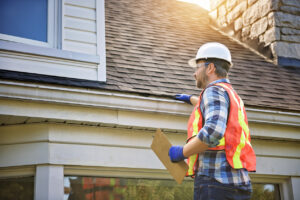
Surprising as it may be, one of the best ways to avoid more expensive repairs down the line is through regular property inspections. A complete property inspection lets you spot and fix developing problems while they’re manageable instead of letting them become urgent.
The age and condition of your property’s major systems can also be tracked over time through inspections. It can help you manage costs and get a better sense of when repairs or replacements may be necessary.
The least a good property inspection should do is examine and document key areas like:
- Roof condition, gutters, and downspouts
- Windows, doors, and seals on the exterior
- Plumbing fixtures and pipes you can see
- Heating systems and cooling systems
- Siding, walkways, and drainage outside
Following your inspection, document any concerns and make sure the necessary maintenance and repairs get done. When there are a lot of tasks on your list, prioritize them according to urgency, safety, and cost.
Make it a priority to see that your heating system is fully functional and properly maintained. If heat is lost in a cold snap, your tenant’s comfort could be at risk and extensive property damage could result, especially when plumbing systems are exposed to freezing temperatures.
Address Summer Wear Before It Becomes a Bigger Problem
Another good reason to use late fall is to look more closely at the wear and tear from summer. Prolonged heat, heavy use, and seasonal storms can leave effects that show up more clearly even as temperatures cool.
Take caulk and weatherstripping around doors and windows: they can deteriorate as time passes. Drafts can be reduced, and indoor comfort improved, by repairing or replacing damaged seals as temperatures keep falling.
Additionally, look for exterior maintenance issues, for example drainage problems, fallen or broken tree branches, and irrigation leaks. Taking care of these concerns before freezing temperatures occur more often can help stop further deterioration and prevent expensive winter repairs.
Another benefit of taking care of these and other maintenance needs now is avoiding the competition for contractor availability in the busy winter repair season. Controlling costs means focusing on what your property truly needs and not replacing components that are still in good condition just by default.
Review Safety, Tenant Comfort, and Energy Efficiency
A property inspection before winter is also an opportunity to review your rental’s safety and energy-efficiency features. While moving through the property, go beyond visible repairs and check important features like:
- Lighting outdoors and walkways
- Stairs and railings
- Door locks and window locks
- Smoke detectors and carbon monoxide detectors
- Performance of the heating and airflow
- Drafts that might impact indoor comfort
Your tenant’s comfort during the colder months can be supported by checking these and other safety and energy-related features. In addition, it can help identify ways to improve energy efficiency and ensure that your heating system is working the way it should.
Responsible rental property ownership includes these important elements, especially when winter is near and tenants count more on their home’s heating system.
Turn Your Inspection Findings into a Rental Property Upkeep Plan
While late fall is a prime time to inspect your rental property and deal with seasonal maintenance needs, you’ll also want to turn those findings into a proactive maintenance schedule as the next step. Urgent repairs come first, of course, but then consistent upkeep becomes essential for keeping costs in check and budgeting for future improvements.
Getting help from a property management professional is among the smartest steps rental property owners can take to keep their rental property in quality condition. With an experienced property manager, inspections, maintenance, and repairs are coordinated, and tenant requests and unexpected maintenance emergencies are handled.
Would you like to know more about these and other services? Contact Real Property Management High Desert for more information about seasonal maintenance planning and keeping your investment in good condition year-round.
This content is provided for general informational and educational purposes only and does not constitute financial, legal, tax, or investment advice. Readers should consult with licensed professionals regarding their specific circumstances.
We are pledged to the letter and spirit of U.S. policy for the achievement of equal housing opportunity throughout the Nation. See Equal Housing Opportunity Statement for more information.
